
Sodium Bicarbonate,
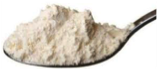
also known as bicarbonate of soda, baking soda, ‘soda’ and NaCHO3, is a white crystalline powder mined and manufactured in colossal quatities every year for a huge number of therapeutic and other purposes. It is the raising agent in 99% of cookies and cakes!
Sodium bicarbonate is also produced internally by the stomach, pancreas and kidneys. In the blood, along with sodium carbonate, it is the single most important pH buffer regulating the pH within tight limits: 7.34 to 7.43. Bicarbonates in the body which have been depleted can be replenished to raise the alkalinity and the pH of blood and tissues.
Walter Bastedo MD reports that an increase of 0.2 can be achieved with 45 g sodium bicarbonate in patients who were highly acidotic (Pharmacology, Therapeutics and Prescription Writing p. 119)
pH Buffers
Buffers are substances which absorb acid without its pH changing and alkalinity is the measure of this ability. Sodium bicarbonate is the buffer par excellence as shown in the video below.
In your kitchen lab, you can perform this cool experiment yourself with minimal supplies – lemon, soda and litmus strips. Easy peasy!
Recent Comments